
Introduction: Udaipur — The City of Lakes
Udaipur, located in southern Rajasthan, is widely known as the “City of Lakes.” This title isn’t just symbolic—it reflects the real presence of interconnected water bodies that have shaped the city’s identity for centuries. From ancient times, the lakes of Udaipur have served not only as water reservoirs but also as peaceful retreats for residents and travelers.
Historically, the Mewar rulers developed these lakes to manage water scarcity in a semi-arid region. Their strategic planning allowed rainwater to be stored in a chain of artificial and natural lakes, a system that still supports the local ecosystem and supplies water to the city today.
Beyond utility, these lakes add beauty to the city’s historic skyline. They attract visitors who come to experience the calm of sunrise boat rides, explore heritage palaces along the shores, or simply enjoy quiet moments with nature.
If you’re wondering how many lakes in Udaipur there are, the number generally ranges around 7 prominent lakes, though there are more than 10 in total depending on how one defines and counts the seasonal or smaller ones.
Udaipur’s lakes are more than picturesque—they are living parts of the city’s history, culture, and environment. Each one contributes to the charm that makes Udaipur a favorite among history lovers, nature enthusiasts, and responsible travelers.
2. How Many Lakes in Udaipur?
Udaipur is often admired for its serene lake views, but many travelers naturally wonder: how many lakes in Udaipur actually exist? The answer isn’t fixed, but most experts agree that the city is home to around 7 major lakes that are historically and geographically significant. In total, if you include the smaller water bodies and seasonal lakes, the count rises to more than 10.
The variation in this number is due to several reasons. Some lakes, such as Swaroop Sagar and Doodh Talai, are smaller and often overlooked in tourist guides, but they play vital roles in the local ecosystem. Others like Jaisamand Lake, though located slightly outside the city center, are still closely associated with Udaipur’s identity.
Another reason for the differing count lies in seasonal water bodies. During monsoon months, rain-fed ponds and temporary lakes form in lower-lying areas, adding to the local waterscape. However, these may dry up in summer, leading to inconsistencies in official listings.
Lastly, local names can vary. A single lake may be known by more than one name, especially in regional dialects, which sometimes causes confusion when tallying them.
Despite the ambiguity in numbers, one thing is clear—Udaipur’s lakes are not just landmarks; they are lifelines and storytellers of a city deeply rooted in water heritage.
3. A Guide to the Famous Lakes in Udaipur
The beauty of Udaipur lies not only in its palaces and havelis but also in the soothing presence of its lakes. Spread across the city like a shimmering necklace, these lakes reflect both history and nature in harmony. Among the famous lakes in Udaipur, five stand out for their cultural, historical, and scenic importance. Here’s what makes each of them special:
Lake Pichola
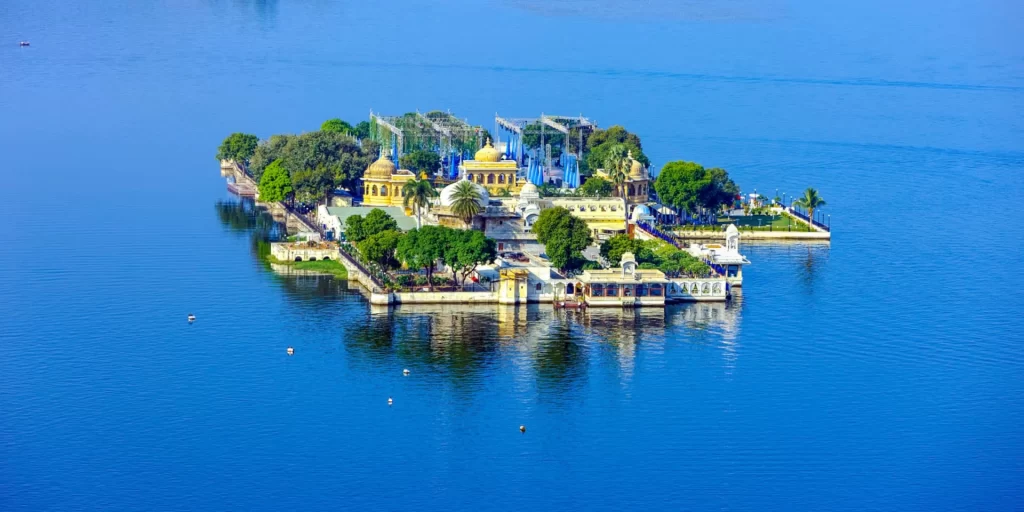
Arguably the most iconic of all, Lake Pichola was created in the 14th century by a local banjara (gypsy) and later expanded by Maharana Udai Singh II. Flanked by the majestic City Palace and dotted with islands like Jag Mandir and Jag Niwas (now the Lake Palace Hotel), this lake offers boat rides with unmatched views of Udaipur’s skyline. It’s especially captivating during sunset.
Fateh Sagar Lake
Located just north of Lake Pichola and connected via a canal, Fateh Sagar is a 17th-century artificial lake named after Maharana Fateh Singh. It’s surrounded by hills and includes three islands, one of which houses the Nehru Garden. Popular for speed boating and serene morning walks, it remains a favorite among locals for its peaceful atmosphere.
Udai Sagar Lake
Built in the 16th century by Maharana Udai Singh to ensure water supply for the growing city, Udai Sagar lies on the eastern outskirts. Although less touristy, this lake holds historical significance and is ideal for travelers looking to explore beyond the main city. It has witnessed many historical events and is known for its calm, untouristed surroundings.
Badi Lake (Jiyan Sagar)
Constructed in the 17th century by Maharana Raj Singh after a devastating famine, Badi Lake—also known as Jiyan Sagar (named after his mother, Jana Devi)—was intended to provide water during droughts. Today, it is a peaceful retreat with panoramic views of the Aravalli ranges. No commercial boating or structures around the lake make it perfect for nature lovers seeking solitude.
Doodh Talai
A small yet scenic lake adjacent to Lake Pichola, Doodh Talai is known for its musical fountain garden and ropeway ride to Karni Mata Temple. While not as vast as the others, its setting between city landmarks and the elevated viewpoints make it a popular stop during sightseeing.
Together, these lakes not only define the city’s geography but also shape its soul. Whether you’re exploring royal heritage or simply sitting by the water at dawn, each of these lakes offers its own unique story and atmosphere.
4. What is the Most Udaipur Famous Lake?
When travelers picture Udaipur, one image consistently stands out—Lake Pichola. Among all the lakes in the city, it holds the title of being the most iconic and visually striking. If you’re wondering which waterbody truly defines the city, there’s little doubt that Lake Pichola is the Udaipur famous lake that captures global attention.
Created in the 14th century and later extended by Maharana Udai Singh II, Lake Pichola is more than just a water reservoir—it’s the centerpiece of Udaipur’s charm. The lake is flanked by grand landmarks that seem to rise directly from its waters. On one side, the majestic City Palace reflects its ornate façade into the lake, while on the other, Jag Mandir and Jag Niwas (now the Taj Lake Palace) rest gracefully on its islands.
A boat ride on Lake Pichola, especially around sunset, offers panoramic views of the palace, Aravalli hills, and old ghats. It’s one of the most cherished experiences for visitors, not just because of the views but because it provides a real sense of Udaipur’s royal legacy.
Lake Pichola has also been featured in numerous Bollywood and international films, including Octopussy, Yeh Jawaani Hai Deewani, and Guide, making it one of the most photographed lakes in India. You’ll often find its image on postcards, travel magazines, and tourism ads representing the soul of the city.
Whether you’re seeing it for the first time or returning to admire its timeless appeal, Lake Pichola remains a symbol of elegance, history, and enduring beauty in the heart of Udaipur.
5. Which is the Best Lake in Udaipur for Visitors?
Udaipur’s lakes each offer something different, which makes choosing just one a challenge. The idea of the best lake in Udaipur really depends on what kind of experience you’re looking for. Whether you’re a photographer, a quiet traveler, or someone chasing sunsets, there’s a lake that fits your mood perfectly.
For Photography: Lake Pichola
With palaces floating in the middle, reflections of ancient architecture, and the golden light of dawn and dusk, Lake Pichola is a dream for photographers. From the City Palace’s balconies to the Ambrai Ghat, every corner offers postcard-worthy frames. You’ll also capture everyday life—boats gliding across the water, birds swooping low, and the city’s silhouette glowing at sunset.
For Sunset Views: Fateh Sagar Lake
Fateh Sagar is a local favorite when it comes to ending the day. The long promenade by the lake fills with evening walkers and street food vendors as the sun dips behind the Aravalli hills. Boating during this hour is especially beautiful, and the orange-pink skies reflected on the water make it a perfect place for quiet reflection.
For Peaceful Walks: Badi Lake (Jiyan Sagar)
If you prefer peace away from the main tourist trails, Badi Lake offers just that. Located on the outskirts, this lake is not commercialized—there are no boat rides or cafes, just still water and surrounding hills. The walking trail along its edge is ideal for early morning strolls or quiet moments surrounded by nature.
For a Local Vibe: Doodh Talai
Doodh Talai, though smaller, is located right in the city near major landmarks. With a musical fountain garden, ropeway rides, and open views of Lake Pichola, it’s where locals come to relax after work or school. It’s an easy place to feel the pulse of everyday Udaipur life while still enjoying scenic views.
Each of these lakes holds its own charm, and depending on the experience you seek, one might feel more special than the others. That’s the beauty of Udaipur—its lakes are not just destinations, but diverse experiences waiting to be lived.
6. The Beauty and Ecology of a Udaipur Lake
Beyond their visual appeal and historic value, the lakes of Udaipur play a vital role in maintaining the city’s ecological balance. A typical Udaipur lake isn’t just a scenic backdrop—it’s a living ecosystem that nurtures both nature and the people who live around it.
These lakes serve as crucial freshwater sources that support local flora and fauna. Aquatic life, such as fish and freshwater plants, thrives here, providing food for migratory birds like herons, cormorants, and kingfishers. The green patches around the lakes also attract squirrels, monkeys, and butterflies, making Udaipur a gentle sanctuary for biodiversity in the middle of an urban setting.
Additionally, the lakes help regulate the city’s microclimate. During hot summers, they provide natural cooling by increasing humidity and reducing air temperature in surrounding areas. This makes life more comfortable for residents and adds to Udaipur’s year-round travel appeal.
However, like many urban lakes across India, Udaipur’s water bodies have faced challenges due to pollution, encroachments, and fluctuating water levels. Recognizing their importance, both government agencies and local communities have stepped in to support lake conservation efforts. Initiatives like desilting, cleaning drives, and controlled urban planning have been introduced to protect these fragile ecosystems.
The seasonal charm of the lakes also adds to their appeal. Monsoon rains fill them to the brim, reviving their beauty and surrounding vegetation, while winters bring migratory birds that turn the lakefronts into natural observatories.
Whether admired for their views or respected for their ecological value, Udaipur’s lakes are deeply connected to the city’s rhythm of life. They remind us that heritage and nature can—and should—exist in harmony.
8. Conclusion: Why Udaipur’s Lakes Are Timeless
Udaipur’s lakes are more than scenic landscapes—they are living chapters of the city’s history, culture, and environment. From the grandeur of Lake Pichola to the quiet charm of Badi Lake, each water body tells a story that connects the past with the present. Whether you’re drawn by architecture, nature, or peaceful escapes, these lakes offer something personal and meaningful to every visitor.
Their enduring presence not only shapes the beauty of Udaipur but also sustains life in and around the city. As you journey through the City of Lakes, take the time to look beyond the postcard views. The lesser-known spots often carry the most authentic experiences—quiet sunrises, local conversations, and moments of stillness that make travel truly memorable.
If you’re planning your visit, staying close to key landmarks enhances your experience. Choosing a Hotel Near City Palace Udaipur gives you easy access to Lake Pichola and historic sites, while booking the Best Hotel Near Railway Station offers convenience right from your arrival.
Exploring these lakes is not just about ticking off places on a list. It’s about pausing, observing, and appreciating how nature and history coexist in harmony. Udaipur’s lakes don’t just reflect palaces and skies—they reflect the soul of the city itself.